
Blog

How to Naturally Reduce the Impact of Urinary Incontinence in Men
INCONTINENCE AFFECTS THE QUALITY OF LIFE OF MANY MEN. HERE ARE SOME NATURAL WAYS TO REDUCE THAT IMPACT. Urinary incontinence (UI) refers to the involuntary leakage of urine that occurs mostly in people when they age. Research shows that about 11-34% of men over the age of 65 are struggling with this bothersome issue [1]. Even though this problem is...
Categorized in: Healthy Aging, Male Bladder Control Issues, Incontinence

Causes and Natural Treatment Options for Men to Stop Peeing Frequently at Night
MEN WHO FREQUENTLY GET UP IN THE MIDDLE OF THE NIGHT TO PEE MAY BE EXPERIENCING NOCTURIA. HERE’S HOW TO MANAGE IT. Are you regularly getting up at night to relieve yourself? If so, this may be a case of nocturia, one of the most bothersome and yet common urinary symptoms people experience as they age. Nocturia is estimated to...
Categorized in: Bladder Control & Sleep, Frequent Urination At Night, Male Bladder Control Issues

Why Young Women Struggle With Bladder Control Problems and 4 Ways to Naturally Manage Them
Why Young Women Struggle With Bladder Control Problems and 4 Ways to Naturally Manage Them LEAKING URINE, AN OVERACTIVE BLADDER, AND LACK OF BLADDER CONTROL ARE ISSUES THAT CAN AFFECT YOUNG WOMEN. Incontinence and bladder control issues don’t only affect middle-aged or older women. Young women, including those who have never been pregnant, may also experience bladder issues. In fact,...
Categorized in: Female Bladder Control Issues, Bladder Leakage, Incontinence

Can a Hysterectomy Cause Incontinence? Here’s All You Need to Know
A HYSTERECTOMY MAY AFFECT YOUR BLADDER. HERE’S HOW TO NATURALLY MANAGE THAT. A hysterectomy is one of the most common surgical procedures in women, which is performed on an estimated 600,000 American women each year. Your doctor may have recommended this procedure for several reasons, such as chronic menstrual pain or endometriosis, but they are most often done to treat...
Categorized in: Overactive Bladder (OAB), Frequent Urination, Female Bladder Control Issues, Incontinence
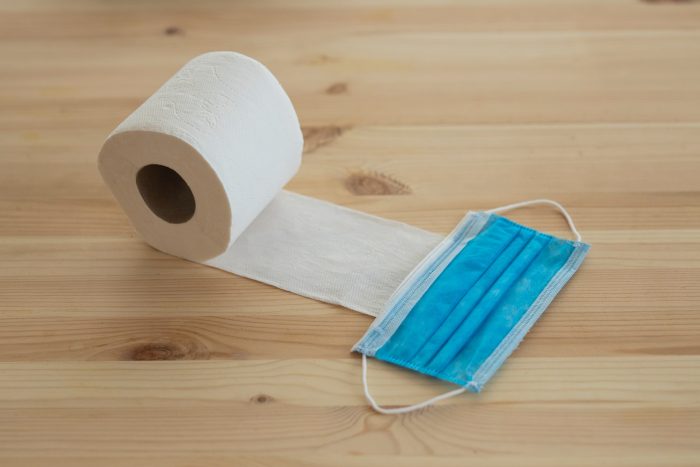
Can COVID-19 Cause Bladder Problems?
Can COVID-19 Cause Bladder Problems? SOME COVID-19 PATIENTS EXPERIENCE URINARY SYMPTOMS AFTER RECOVERY. If you’ve had COVID-19, you may have experienced some lasting effects after the infection, such as brain fog, sleep problems, and trouble concentrating. But the long-term effects of COVID-19 on the bladder and urination are much less talked about. The question is, can COVID-19 cause urinary problems?...
Categorized in: Overactive Bladder (OAB), Frequent Urination, Incontinence

3 Ways to Naturally Treat Incontinence After a Hysterectomy
IMPROVE BLADDER CONTROL AFTER A HYSTERECTOMY WITH ALL-NATURAL METHODS Incontinence is common after a hysterectomy. During surgery, the pelvic floor muscles and nerves are damaged, causing bladder control problems. (1) Fortunately, there are steps you can take following surgery to slowly regain bladder control. Hysterectomies and Bladder Control Pelvic floor muscles and nerves support the bladder and play a central...
Categorized in: Frequent Urination, Female Bladder Control Issues, Bladder Leakage, Bladder Urgency, Incontinence

How To Fix Bladder Control Problems Caused By Menopause
YOU CAN IMPROVE YOUR BLADDER CONTROL You’re not alone if you experience bladder control problems during or after menopause. Hormonal changes that cause common menopause symptoms like hot flashes and mood swings can also result in urinary incontinence (UI). (1) UI symptoms range from minor to disruptive. You might have a few drops of urine leak out when you laugh...
Categorized in: Frequent Urination, Female Bladder Control Issues, Bladder Leakage, Bladder Urgency, Incontinence

How To Avoid Toilet Breaks and Enjoy Your Favorite Jogging Route
ENJOY YOUR FAVORITE ROUTE WITHOUT HAVING TO WORRY ABOUT YOUR URGE TO GO You’re in the middle of your favorite walking or jogging route and suddenly have a strong urge to go. Not long ago, you were able to finish the entire route without needing to use the bathroom. What should you do now? There’s always the option of finding...
Categorized in: Overactive Bladder (OAB), Frequent Urination, Bladder Urgency

5 Ways to Treat Brain Fog and Regain Mental Clarity
IMPROVE BRAIN FOG BY ADDRESSING THE UNDERLYING CAUSE Brain fog isn’t a medical condition but a colloquial term used to describe the unfortunate symptoms of brain inflammation. (1) Common brain fog symptoms include trouble concentrating, memory lapses, and difficulties thinking. The key to regaining your mental abilities is reducing the underlying inflammation. Here’s how. What Causes Brain Inflammation? Neuroinflammation, or...
Categorized in: Brain Fog, Lack of Concentration, Depression